
Laboratory Analysis and Detection of Integrated ATP Activity
Advanced Laboratory Approaches to ATP Detection and Hygiene Monitoring
Maintaining reliable hygiene standards is a fundamental requirement across laboratories, pharmaceutical manufacturing facilities, healthcare institutions, food production environments, and industrial processing areas. The ability to assess surface cleanliness, identify residual organic material, and verify the effectiveness of cleaning procedures is essential for maintaining controlled working conditions. Modern hygiene monitoring increasingly relies on rapid analytical technologies that provide measurable information about surface contamination and cleaning performance.
Laboratory Analysis and Detection of Integrated ATP Activity focuses on the scientific methods, analytical technologies, and practical applications associated with adenosine triphosphate detection. Through the use of ATP swabs, bioluminescence reactions, luminometers, and standardized sampling procedures, ATP testing provides a rapid approach to evaluating the presence of biological residues on surfaces.
The combination of surface sampling and analytical measurement offers valuable information for hygiene assessment programs. It allows organizations to monitor cleaning performance, compare results across different locations, identify areas requiring additional attention, and establish more consistent quality assurance procedures.
The development of reliable ATP detection approaches also contributes to improving laboratory workflows and supporting preventive hygiene management. By integrating appropriate sampling technologies with analytical interpretation, organizations can strengthen their environmental cleanliness assessment strategies.
Scientific Foundations of Adenosine Triphosphate Detection
Adenosine triphosphate (ATP) is a nucleotide that plays a central role in cellular energy metabolism. It is involved in numerous biological processes, including biosynthesis, cellular transport, muscle contraction, and metabolic regulation. Learn more
Because ATP is present in living cells and biological materials, its detection can provide an indication of organic residues collected from environmental surfaces. This characteristic makes ATP an important analytical target for rapid hygiene monitoring.
ATP testing is based on the measurement of light generated through a biochemical reaction involving luciferin and luciferase. When ATP is available in the reaction mixture, it supports the enzymatic conversion of luciferin, resulting in the emission of measurable light.
The intensity of this light signal is detected by a luminometer and expressed in relative light units (RLU). Under controlled analytical conditions, the measured signal is related to the amount of ATP available in the collected sample.
ATP measurement is particularly useful because it provides rapid feedback without requiring the incubation periods associated with conventional microbial culture techniques. Nevertheless, ATP testing does not identify individual microorganisms or directly determine microbial viability. It should therefore be considered a complementary hygiene assessment method rather than a substitute for microbiological testing.

ATP Swabs: Principles, Components and Applications
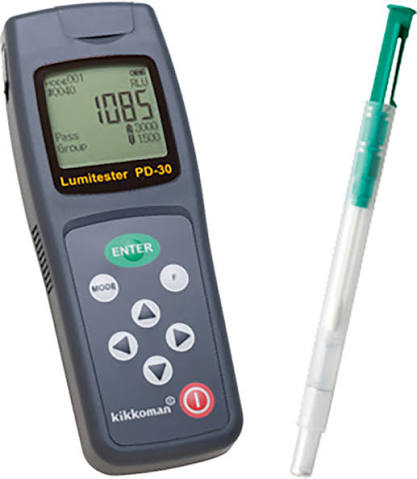
ATP swabs are specialized sampling devices designed to collect biological residues from environmental surfaces. They represent an essential component of ATP hygiene monitoring systems because the quality of sample collection directly influences the reliability of analytical measurements.
A typical ATP sampling device includes a collection swab and a reagent-containing system compatible with the associated detection instrument. Depending on the design, the sampling device may incorporate a separate activation mechanism that allows the collected material to interact with the detection reagents.
The selection of appropriate ATP swabs depends on several technical considerations, including sampling requirements, surface characteristics, reagent compatibility, instrument specifications, and the intended monitoring application.
Surface Sampling Principles
Surface sampling requires a consistent procedure to ensure that measurements can be compared over time. The sampling area should be defined, and the swab should be applied using standardized movements and appropriate pressure.
Different surface materials may influence the efficiency of ATP recovery. Smooth, porous, textured, and irregular surfaces can produce different sampling outcomes, making procedural consistency particularly important.
Sampling protocols should establish:
The dimensions of the surface area to be tested.
The number and location of sampling points.
The swabbing technique and application pressure.
The frequency of routine hygiene measurements.
The appropriate handling and activation procedures.
The conditions required for sample analysis.
These parameters help reduce variability and improve the reproducibility of ATP measurements.

Types of Surfaces Suitable for ATP Monitoring
ATP swabs can be applied to a wide range of environmental surfaces, depending on the compatibility of the sampling device and the requirements of the monitoring program.
Common sampling locations include laboratory workbenches, pharmaceutical equipment, production surfaces, food preparation areas, medical devices, packaging systems, and frequently touched environmental surfaces.
The identification of high-contact areas and critical processing locations helps organizations establish targeted sampling plans and prioritize hygiene monitoring activities.


Bioluminescence Technology in ATP Analysis
Bioluminescence is the analytical principle used by many ATP detection systems. It relies on a light-producing biochemical reaction that involves ATP, luciferin, luciferase, oxygen, and other reaction components.
During the reaction, luciferase catalyzes the oxidation of luciferin in the presence of ATP. This process produces an excited reaction product that releases energy in the form of visible light as it returns to its ground state.
The emitted light is measured using a luminometer equipped with a sensitive optical detection system. The instrument converts the light signal into a numerical result that can be interpreted according to established hygiene monitoring criteria.
The Role of Luciferase and Luciferin
Luciferase is an enzyme responsible for catalyzing the bioluminescence reaction, while luciferin acts as the light-emitting substrate. Learn more
The availability of ATP supports the reaction and influences the intensity of the resulting signal. The relationship between ATP concentration and emitted light forms the basis of many rapid hygiene assessment systems.
Reagent formulation, enzyme activity, reaction conditions, and sample composition can all influence analytical performance. Therefore, maintaining suitable reagent storage conditions and following manufacturer instructions are important aspects of reliable ATP testing.
Luminometers and Signal Measurement
Luminometers are analytical instruments designed to detect and quantify light emitted during biochemical reactions.
In ATP hygiene monitoring, they measure the luminescence generated after activation of the sampling device. The resulting measurement is generally displayed in relative light units.
Modern instruments may include features such as automated measurement sequences, result storage, user identification, location-based sampling records, and data transfer capabilities.
These functions can support the organization of hygiene monitoring programs and facilitate the review of cleaning performance over time.
Laboratory Workflow for ATP Testing
A structured analytical workflow is essential for obtaining consistent ATP measurements. Each stage, from sample collection to result interpretation, should be performed according to defined procedures.
Preparation of the Sampling Area
Before testing, the surface to be evaluated should be identified and the sampling area defined. Sampling locations should be selected according to the objectives of the hygiene monitoring program.
The sampling procedure should account for surface material, accessibility, potential chemical residues, and the operational conditions of the environment.
Collection of Surface Residues
The ATP swab is applied to the selected surface using a consistent sampling technique. Standardized movements help improve sample collection and reduce differences between operators.
The collection procedure should follow the specific requirements of the sampling device to ensure appropriate recovery of biological residues.
Activation of the ATP Detection System
After collection, the swab is activated according to the manufacturer's instructions. This step allows the collected ATP to interact with the bioluminescence reagents.
Correct activation, handling, and timing are important for obtaining reproducible results.
Instrumental Measurement
The activated sample is introduced into a compatible luminometer. The instrument measures the emitted light and converts the optical signal into relative light units.
The measurement should be performed under the recommended operating conditions, with appropriate attention to instrument calibration, maintenance, and reagent compatibility.
Recording and Interpretation of Results
The resulting ATP value is recorded and evaluated according to predefined hygiene thresholds.
Results may be compared with internal acceptance criteria, previous measurements, or readings obtained from other sampling locations.
This approach helps identify surfaces that may require additional cleaning and provides a basis for reviewing hygiene performance.

ATP Testing in Pharmaceutical Manufacturing
Pharmaceutical manufacturing environments require controlled production conditions and carefully documented hygiene procedures. Equipment, processing surfaces, production workstations, and supporting areas must be maintained according to established cleaning and contamination control requirements.
ATP testing can support routine cleaning verification by providing rapid information about detectable organic residues on selected surfaces.
Potential applications include:
Monitoring production equipment after cleaning.
Assessing workbenches and material handling areas.
Evaluating frequently contacted surfaces.
Supporting routine hygiene inspections.
Comparing cleaning performance between production areas.
Identifying locations requiring further investigation.
ATP measurements can complement pharmaceutical environmental monitoring programs and established cleaning validation procedures. They should not replace validated microbiological methods, nor should they be interpreted as proof of sterility or the absence of specific microorganisms.
The integration of ATP testing into pharmaceutical quality systems requires clearly defined responsibilities, documented procedures, and scientifically justified acceptance criteria.
ATP Monitoring in Healthcare Facilities
Healthcare facilities contain numerous surfaces that are frequently touched by patients, healthcare professionals, and visitors. Consistent cleaning and disinfection practices are essential components of environmental hygiene management.
ATP swabs can be used to assess cleaning performance on selected surfaces, including medical equipment, patient-care areas, examination tables, bedside furniture, and frequently handled objects.
Rapid ATP measurements provide immediate feedback about detectable organic residues and can help cleaning teams identify areas that require additional attention.
Applications in Food Processing and Food Safety
Food processing environments require effective cleaning procedures to manage organic residues and maintain appropriate hygienic production conditions.
ATP monitoring offers a rapid method for assessing the cleanliness of food-contact surfaces, processing equipment, conveyor systems, preparation tables, and packaging machinery.
Organic residues may remain on surfaces even when they appear visually clean. ATP testing provides additional analytical information that can support cleaning verification and hygiene improvement initiatives.
Food Contact Surface Assessment
Food contact surfaces are particularly important sampling locations because they directly interact with food products during processing and preparation.
ATP swabs can be used to monitor selected equipment and working surfaces following routine cleaning procedures.
Repeated measurements help organizations compare hygiene performance and evaluate whether cleaning protocols are being applied consistently.
Supporting Preventive Hygiene Management
ATP monitoring can be incorporated into broader food hygiene management systems alongside visual inspections, microbiological testing, and documented sanitation procedures.
Its rapid measurement capability makes it useful for identifying potential cleaning issues before production activities continue, according to the organization's established procedures.

Factors Affecting ATP Detection Accuracy
The reliability of ATP testing depends on several analytical and operational parameters. Understanding these factors is essential for avoiding misleading measurements.
Sampling Technique
Differences in swabbing pressure, sampling area, movement patterns, and operator technique can influence the amount of ATP collected.
Standardized procedures and appropriate operator training help reduce variability.
Surface Material and Structure
Surface texture, porosity, and material composition may affect sample recovery. ATP collection can be less consistent on irregular or porous materials than on smooth surfaces.
Sampling procedures should therefore be adapted to the characteristics of the surface being evaluated.
Chemical Interference
Certain cleaning agents, disinfectants, and chemical residues may influence the bioluminescence reaction.
Depending on their composition, these substances can inhibit or otherwise affect the analytical signal. Their potential interference should be considered when developing ATP monitoring procedures.
Reagent Stability and Storage
ATP detection reagents must be stored and handled according to manufacturer specifications. Inappropriate storage conditions may affect enzyme activity and analytical performance.
Instrument Performance
Luminometer sensitivity, maintenance, operational settings, and compatibility with ATP swabs can influence the quality of the measurement.
Routine instrument checks and appropriate maintenance procedures contribute to reliable results.
Comparing ATP Testing with Conventional Microbiological Methods
ATP testing and conventional microbiological methods serve different purposes in hygiene assessment.
ATP testing provides rapid information about detectable biological residues, while microbiological methods are designed to recover, detect, enumerate, or identify microorganisms using appropriate analytical techniques.
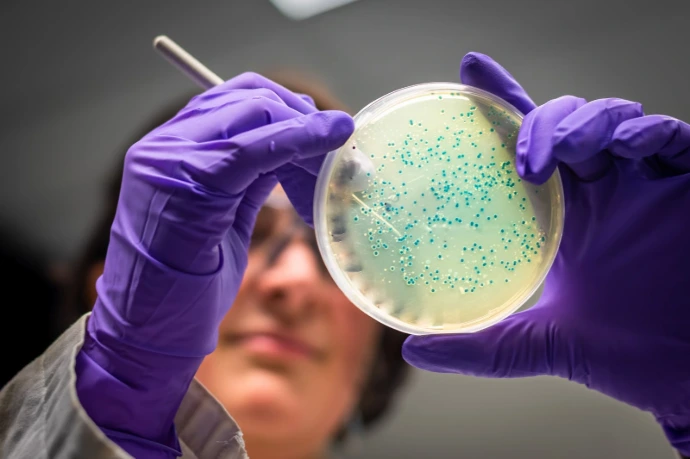
Culture-based methods generally require incubation and additional processing time. ATP testing, in contrast, can provide a measurement within a short period after sample activation.
Despite this advantage, ATP testing cannot establish microbial identity, distinguish all sources of organic material, or demonstrate the absence of microorganisms.
The two approaches can therefore be used together within broader hygiene monitoring programs.
| Analytical characteristic | ATP testing | Microbiological testing |
|---|---|---|
| Primary target | Detectable ATP | Microorganisms |
| Result type | Relative light units | Colony counts or other microbial results |
| Typical response | Rapid | Often requires incubation |
| Microbial identification | No | Possible with appropriate methods |
| Main application | Cleaning verification | Microbiological assessment |

Technological Developments in ATP Hygiene Monitoring
Developments in analytical instrumentation continue to improve ATP measurement systems and their integration into quality assurance activities.
Modern luminometers increasingly incorporate improved detection sensitivity, simplified interfaces, automated result recording, and digital data management capabilities.
These developments can facilitate routine monitoring and improve the accessibility of analytical results for quality teams.
Digital platforms also provide opportunities to organize sampling locations, compare measurements, monitor cleaning trends, and document corrective actions.
The integration of ATP monitoring with broader quality management systems may contribute to more structured environmental hygiene programs.
Future developments in sampling materials, reagent formulations, and analytical instrumentation are expected to continue supporting the evolution of rapid hygiene assessment technologies.
Frequently Asked Questions
What is ATP hygiene monitoring?
ATP hygiene monitoring is a rapid analytical approach used to assess detectable biological residues on surfaces. It commonly relies on swab sampling and a bioluminescence reaction to generate measurable light.
What is the purpose of an ATP swab?
An ATP swab collects biological residues from a surface so that their ATP content can be measured using a compatible detection system.
How long does an ATP test take?
ATP testing generally provides results within seconds after sample activation and measurement, depending on the detection system and manufacturer's instructions.
What does a high RLU result mean?
A high relative light unit reading indicates a stronger luminescence signal and generally suggests a greater quantity of detectable ATP in the collected sample. Interpretation depends on the instrument and established acceptance criteria.
Does ATP testing detect all bacteria?
No. ATP testing measures ATP and does not directly identify bacteria or other microorganisms. It may detect ATP originating from different biological sources.
Can ATP swabs be used in cleanrooms?
ATP swabs may be used in selected cleanroom hygiene assessment applications when appropriate procedures and compatibility requirements have been established. They should not replace the environmental monitoring methods required by the applicable cleanroom program.
Is ATP testing a replacement for microbiological analysis?
No. ATP testing is a complementary method for rapid cleaning verification. Microbiological analysis remains necessary when the presence, quantity, or identity of microorganisms must be evaluated.
Why are ATP measurements expressed in RLU?
Relative light units represent the intensity of the light signal generated by the bioluminescence reaction. They provide an instrument-specific measurement used to evaluate ATP detection results.
What factors can affect ATP test results?
Sampling technique, surface characteristics, chemical residues, reagent condition, instrument performance, and environmental conditions can influence the measured signal.
How frequently should ATP testing be performed?
Testing frequency depends on the operational environment, cleaning schedule, surface risk, internal quality requirements, and objectives of the monitoring program.